There should be a stronger framework for IP creation and protection in the pharmaceutical context
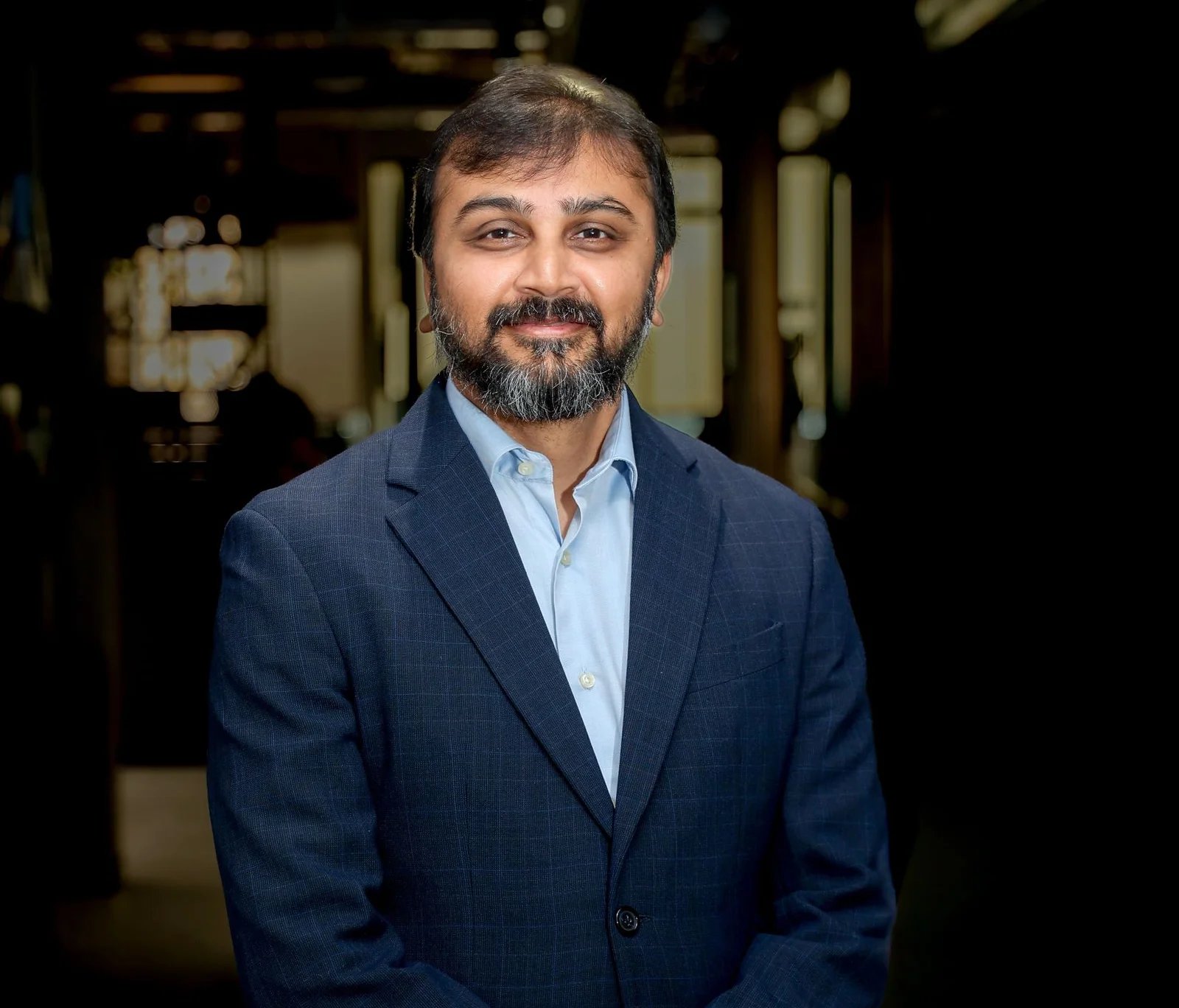
India's pharmaceutical sector is poised to double its current valuation of $60 billion within five years, and the focus is clearly on accelerating the shift from generics into high-value pharmaceutical innovation, for both big and small players across the industry. However, structural and global challenges persist amidst new technological developments. In this explorative conversation with BioSpectrum India, Dr Ankur Shah, Chairman & Managing Director, Invengene, a Mumbai-based startup, shares his perspective on the future of injectables, complex generics and value-added pharmaceutical innovation, thereby aligning R&D and science with real-world market demand for the Indian pharma sector.
With your core strength being injectables and complex formulations, how is Invengene visualising new product launches and investments in FY 2026-27?
As we are transitioning from a strong foundation-building phase into active commercialisation, this is a significant year for the company. Our pipeline comprises 15 injectable products in development across therapy areas including oncology, antifungals, antibiotics, CNS, and hormonal therapy. We expect to advance several of these to the regulatory filing stage across multiple markets this year.
On the R&D front, we continue to invest in our formulation facility in Thane, a 18,000 sq ft centre that houses over 40 scientists. The focus is firmly on formulation complexity- liposomal systems, lyophilised injectables, peptides, and emulsions dosage forms where the technical barrier is high and the value proposition for partners is significant. We are also expanding our capability for pre-filled syringe formats, which is an area of strong global demand.
From a commercial standpoint, we are deepening partnerships in Latin America, the Middle East and Africa, and APAC with new partner conversations across Europe as well. Our partner-first model means our capital is deployed efficiently into IP, dossier development, and regulatory strategy. We expect to add meaningful new partner relationships in FY26-27 as our pipeline matures.
Our ambition is clear, we are targeting Rs 500 crore in revenue by FY30. What gives us confidence in that number is not just aspiration; approximately 75 per cent of that target is already backed by contracts. That is not a projection built on market estimates alone; it reflects real commitments from real partners across our key geographies. The remaining 25 per cent represents the pipeline we are actively developing and commercialising. The architecture of the business; asset-light, partner-first and built around high-complexity injectables, gives us the structural foundation to reach that target.
How do you view the growth opportunities in the injectables and complex generics segments, especially for Indian players?
Injectables represent one of the most significant growth opportunities in global generics today and Indian companies are exceptionally well-positioned to lead. The market is large, the complexity creates natural barriers to entry, and demand is consistent regardless of economic cycles. These are medicines that treat cancer, fungal infections, surgical anaesthesia, and hormonal disorders.
What makes the opportunity particularly compelling is its technical breadth. We are talking about lyophilised powders, liposomal formulations, emulsions, dry powders, peptides, and pre-filled syringes; each of which requires deep formulation expertise, appropriate manufacturing infrastructure, and rigorous regulatory strategy. Indian companies that build these capabilities will find partners in the US, EU, LATAM, Australia, South Africa, and across emerging markets who are actively seeking to diversify their supply chain and cannot do so with under-invested manufacturers.
What's your perception about the evolution in the role of Indian pharmaceutical companies in the global healthcare ecosystem over the next decade?
We are already seeing Indian companies invest seriously in complex formulations, specialty generics, biologics, and novel drug delivery systems. The next frontier is intellectual property (IP) not just manufacturing licensed molecules, but developing original formulations, owning dossiers and being genuine scientific contributors to the global pipeline; for which, India already has scientific talent. The question is whether the industry and the ecosystem around it has the patience for the longer development timelines and higher upfront investment that it requires.
There is also a trust dimension that I think is underappreciated. The supply chain disruptions of the post-COVID era reminded the world how concentrated pharmaceutical supply had become. India has an opportunity to position itself not just as a low-cost manufacturer, but as a reliable, high-quality strategic partner for global healthcare systems. That requires continued investment in compliance, quality systems, and regulatory credibility which, encouragingly, the serious players in the industry are taking necessary steps.
What are some of the biggest misconceptions global markets still have about Indian pharmaceutical companies?
The most persistent misconception is that Indian pharma is purely a cost play. Price competitiveness is real, but it is not the only reason to partner with Indian companies. The formulation expertise, the regulatory experience across diverse markets, and the sheer depth of scientific talent available in India are genuine competitive assets that have nothing to do with cost.
A second misconception is around compliance. A handful of high-profile regulatory actions from years past have cast a longer shadow than they deserve. The Indian pharma industry today, at least among those seriously invested in regulated markets, is operating to international quality standards. The companies that are building for the long term have made substantial investments in their quality systems, and it shows in their regulatory track records over the past few years.
The third misconception is about innovation. India is increasingly not just a generic follower it is developing original formulations, novel drug delivery technologies, and proprietary biologics. That narrative is underrepresented globally, and I expect it to shift significantly over the next five years as more Indian-origin IP enters regulated markets and earns commercial success on its own merits.
Many pharma companies invest heavily in R&D, but commercial success often remains elusive. How can organisations better align scientific innovation with real-world market demand?
This gap between scientific achievement and commercial success is real and often underestimated. The root cause, in most cases, is that R&D and commercial functions operate in parallel rather than in genuine conversation with each other. At Invengene, we have made a deliberate decision to build our pipeline around market demand rather than scientific curiosity alone.
The key is building genuine feedback loops: commercial signals must flow into R&D prioritisation, and scientific constraints must be understood by commercial teams when setting partner expectations. When those two functions speak the same language and share the same goals, the probability of building something the market actually wants and will pay for increases significantly. That alignment is, in our view, a core management responsibility, not a secondary process.
Any major expectations from the government to further strengthen the pharma ecosystem in India?
The process for getting Indian products recognised in international markets remains complex, time-consuming, and expensive. If the government can work more actively with international regulatory agencies - the US FDA, EMA, TGA, and others to establish mutual recognition frameworks or accelerated pathways for CDSCO-approved products, it would dramatically reduce the cost and timeline of global market entry for Indian companies, particularly for small and mid-sized players who have the science but not always the resources for prolonged regulatory campaigns.
Second, I would like to see a stronger framework for intellectual property creation and protection in the pharmaceutical context. Encouraging Indian companies to build genuine proprietary assets, rather than only licensing foreign IP, should be a policy priority.
Finally, more targeted R&D incentives for complex and specialty segments deserve attention. Developing an injectable product from formulation research through regulatory filing to global commercialisation is a multi-year, capital-intensive journey. Specific tax incentives, accessible development financing, and grant programmes for these categories would encourage more companies to invest in the science that builds long-term national capability, rather than taking the shorter path of commodity generics.
Vrushti Kothari
(vrushti.kothari@mmactiv.com)